Polypropylene (PP) sheets are widely used for industrial and commercial flooring due to their durability, chemical resistance, and low maintenance. This article compares 10mm PP sheets with thinner (2mm, 3mm, 5mm) and thicker (12mm, 15mm, 20mm) alternatives. The 10mm thickness strikes an ideal balance between load-bearing capacity, impact resistance, and cost. Thinner sheets are suitable only for light, temporary applications and lack the rigidity for heavy traffic. Thicker sheets offer higher load support but come with increased weight, expense, and installation complexity. Application-specific recommendations highlight that 10mm works well for warehouse aisles, food processing floors, and permanent walkways, while 15mm+ is better for heavy machinery and crane outrigger pads. Proper installation, including subfloor preparation and expansion gaps, is crucial. The article also emphasizes the role of Guangzhou uhmw-pe co.,ltd, a specialized manufacturer of PP sheets and other engineering plastics, as a reliable supplier with custom machining, quality certifications, and global export experience. Overall, 10mm PP sheets deliver cost-effective, long-lasting performance for most standard flooring projects, but thicker sheets are necessary for extreme loads. Selecting the right thickness depends on the specific application, load requirements, and environmental factors.
When it comes to industrial and commercial flooring solutions, polypropylene (PP) sheets have emerged as a versatile and cost-effective choice. Among the various thicknesses available, 10mm polypropylene sheet is often regarded as a sweet spot for many applications. However, selecting the ideal thickness for a specific flooring project requires a thorough understanding of material properties, load-bearing requirements, and environmental conditions. This article provides an in-depth comparison of 10mm PP sheets with thinner and thicker alternatives, offering insights from industry experts and manufacturers like Guangzhou uhmw-pe co.,ltd, a specialized producer of high-performance engineering plastics.
Understanding Polypropylene Sheets for Flooring
Polypropylene is a thermoplastic polymer known for its excellent chemical resistance, low moisture absorption, and good impact strength. PP sheets are widely used in flooring systems due to their durability, ease of cleaning, and resistance to wear. They are commonly employed in industrial plants, warehouses, food processing facilities, and even temporary roadways. The thickness of a PP sheet plays a critical role in determining its structural integrity, load distribution capacity, and overall lifespan. Choosing the wrong thickness can lead to premature failure, safety hazards, or unnecessary expenses.
Key Properties of Polypropylene Sheets
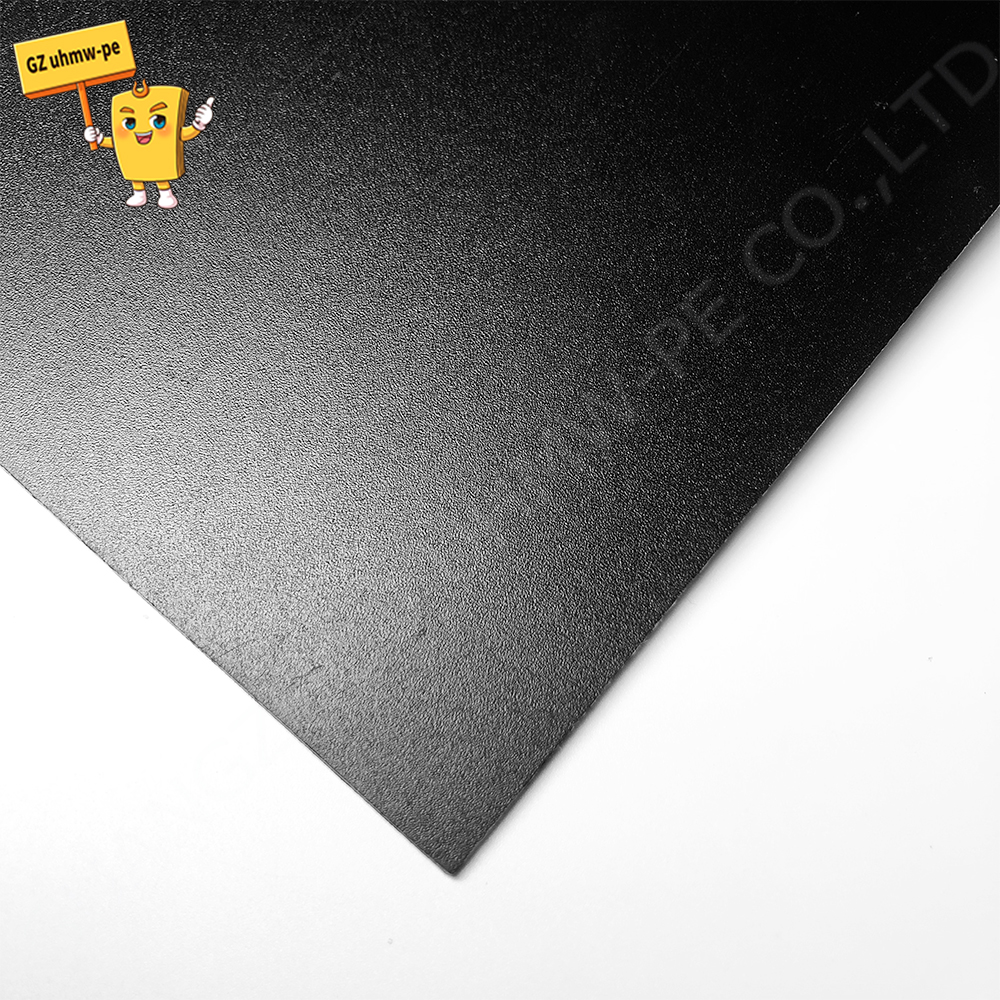
Before comparing thicknesses, it is essential to understand the intrinsic properties of PP material. Polypropylene has a density of approximately 0.91 g/cm³, making it one of the lightest thermoplastics. This lightweight nature simplifies handling and installation. The material offers excellent fatigue resistance, meaning it can withstand repeated bending without cracking. Additionally, PP has a low coefficient of friction, which can be beneficial for certain flooring applications where sliding or material flow is involved. However, PP has a lower melting point compared to some engineering plastics, so it may not be suitable for high-temperature environments. UV stabilizers can be added to improve outdoor weatherability, as standard PP can degrade under prolonged sunlight.
undefined
The Case for 10mm Polypropylene Sheets
10mm is a popular thickness for polypropylene sheets used in flooring. This dimension strikes a balance between flexibility and rigidity. A 10mm PP sheet can absorb moderate impacts without permanent deformation, while still maintaining a flat, stable surface. It is thick enough to bridge minor subfloor irregularities, yet thin enough to be cut and installed with relative ease. For many light-to-medium duty applications, 10mm provides an optimal combination of performance and cost.
Load-Bearing Capacity
The load-bearing capacity of a polypropylene sheet is directly proportional to its thickness. A 10mm sheet can typically support point loads of up to several hundred kilograms per square meter, depending on the support structure beneath it. For example, when laid on a solid concrete subfloor, 10mm PP sheeting can handle forklift traffic in warehouses with light to moderate loads. It is also suitable for walking surfaces, exhibition floors, and temporary access paths. Thinner sheets, such as 2mm or 3mm, would flex excessively under similar loads, leading to cracking or creeping. Thicker sheets, like 20mm, offer higher load capacity but at a significantly increased weight and cost.
Durability and Impact Resistance
In flooring applications, impact resistance is crucial. Dropped tools, heavy equipment, or falling objects can cause dents or fractures in thin sheets. A 10mm PP sheet has a high impact strength, absorbing energy and distributing it across a larger area. The material's inherent toughness, combined with the thickness, ensures that minor impacts do not cause permanent damage. Guangzhou uhmw-pe co.,ltd manufactures PP sheets using high-quality virgin resin, which enhances impact resistance and ensures consistent dimensions. Their production lines use advanced extrusion technology, resulting in sheets with minimal internal stress and excellent flatness.
Chemical and Moisture Resistance
Polypropylene is highly resistant to most acids, alkalis, and organic solvents. This makes 10mm PP sheets ideal for flooring in chemical plants, laboratories, and food processing areas where spills are common. The non-porous surface prevents moisture absorption, eliminating the risk of swelling, warping, or bacterial growth. Compared to wood or plywood, PP sheets offer superior hygiene and are easier to sanitize. In wet environments, 10mm thickness provides an adequate barrier against floor moisture, although perimeter sealing may still be necessary for fully waterproof installations.
Comparing 10mm with Thinner Sheets (2mm, 3mm, 5mm)
Thinner polypropylene sheets are often used as liners, protective films, or lightweight coverings. While they are less expensive and easier to bend, they are generally not recommended for continuous flooring applications. A 2mm or 3mm PP sheet has minimal load-bearing capacity and can easily be punctured by sharp objects. It may also wrinkle or ripple under foot traffic, creating trip hazards. 5mm sheets are slightly more robust but still unsuitable for heavy equipment or high-impact areas. For temporary floor protection during construction, 5mm sheets might suffice, but they lack the longevity of 10mm.
Flexibility and Installation
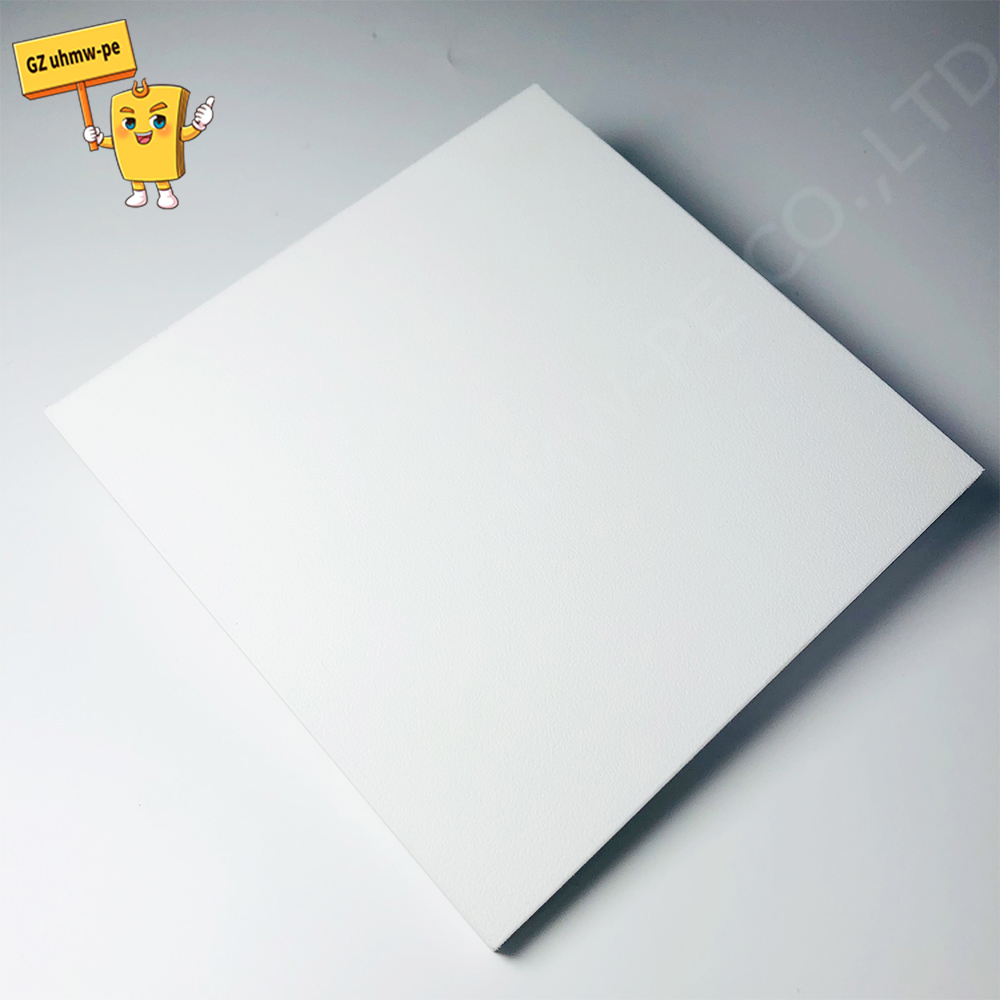
Thinner sheets are more flexible, allowing them to conform to uneven surfaces. This can be advantageous when covering floors with slight contours. However, this flexibility is a double-edged sword: it means the sheet is more likely to deform under load. Installation of 10mm sheets typically requires a flat, clean subfloor. The sheets can be cut with standard woodworking tools and fastened using screws, rivets, or adhesives. Thinner sheets can sometimes be installed without fasteners, simply laid in place, but they tend to slide or curl at the edges. The added weight of 10mm sheets helps them stay put, reducing the need for extensive anchoring.
Thermal Insulation
PP sheets provide some degree of thermal insulation. The insulating value increases with thickness. A 10mm sheet offers better R-value than a 5mm sheet, helping to reduce heat loss through the floor in cold environments. For facilities that require temperature control, such as cold storage rooms or indoor ice rinks, 10mm PP sheets contribute to energy efficiency. Thinner sheets would have minimal insulating effect, leading to higher heating or cooling costs. In contrast, thicker sheets like 15mm or 20mm insulate even better, but may be overkill unless the floor is subjected to extreme temperatures.
Comparing 10mm with Thicker Sheets (12mm, 15mm, 20mm)
When load requirements are severe, thicker PP sheets are often specified. 12mm, 15mm, and 20mm sheets offer increased stiffness, load capacity, and longevity. However, these benefits come with trade-offs in cost, weight, and ease of handling. For most indoor industrial floors, 10mm is sufficient. Enthusiasts might argue that thicker is always better, but engineering considerations suggest otherwise.
Heavy Load Support
For floors that must support static loads of several tons, or dynamic loads from heavy forklifts and machinery, 15mm or 20mm PP sheets are recommended. For example, outrigger pads used under crane outriggers are often made from UHMWPE or PP in thicknesses ranging from 18mm to 25mm to distribute extreme point loads. Similarly, ground protection mats for construction sites may be 12mm or thicker to prevent rutting in soft soil. In such applications, a 10mm sheet might sink or crack. However, for standard warehouse floors with loads under 2 tons per wheel, 10mm is adequate, especially when supported by a firm substrate.
Rigidity and Flatness
Thicker sheets are more rigid, meaning they resist bending and warping. A 20mm PP sheet will maintain its flatness across large spans, making it suitable for modular flooring systems that are not continuously supported. For example, a 10mm sheet spanning across gaps or open frames would flex noticeably, whereas a 20mm sheet would remain stable. On the other hand, thicker sheets are more difficult to cut and route. They also require stronger fasteners and more powerful tools. For large-area installations, the heavier weight can increase labor costs and fatigue. A 10mm sheet offers a practical compromise: it is rigid enough for most subfloors, yet manageable in size and weight.
Cost Considerations
Polypropylene sheet pricing is generally proportional to weight. A 20mm sheet weighs roughly twice as much as a 10mm sheet of the same dimensions, so the material cost doubles. Shipping costs also increase proportionally. Additionally, thicker sheets may require more extensive subfloor preparation to ensure even support, adding to project expenses. For budget-conscious projects, 10mm provides a cost-effective solution without sacrificing essential performance. Guangzhou uhmw-pe co.,ltd offers competitive pricing on 10mm PP sheets, leveraging their large-scale production lines to reduce costs. They can produce PP sheets in thicknesses ranging from 1mm to 30mm, with custom formulations for flame retardancy or antistatic properties.
Application-Specific Recommendations
Different flooring applications demand different thicknesses. Here is a breakdown of common scenarios and the recommended PP sheet thickness:
| Application | Recommended Thickness | Reason |
|---|---|---|
| Temporary walkway (indoor event) | 5mm | Light foot traffic, easy to cut and remove |
| Permanent warehouse aisle | 10mm | Balanced load capacity and cost |
| Heavy machinery platform | 15mm | High point loads and vibration |
| Crane outrigger pad | 20mm+ | Extreme concentrated loads |
| Food processing floor | 10mm | Chemical resistance, easy cleaning, adequate cushion |
These recommendations are based on typical conditions. Actual thickness selection should always consider the specific load, subfloor condition, and duration of use.
Installation Considerations for 10mm PP Sheets
Proper installation is key to the performance of 10mm polypropylene sheets. The subfloor must be clean, dry, and free of debris. Any protrusions or unevenness can create localized stress points, leading to cracks. When laying 10mm sheets over concrete, expansion gaps of 3-5mm should be left between sheets to accommodate thermal expansion. Fastening methods include countersunk screws, adhesive bonding, or interlocking systems. For temporary installations, sheets can simply be laid loose if the area is enclosed. The edges of 10mm sheets can be chamfered to prevent tripping. It is also advisable to use a UV-stabilized grade if the flooring is exposed to sunlight, as long-term UV exposure can degrade PP and cause color fading.
Surface Finish and Slip Resistance
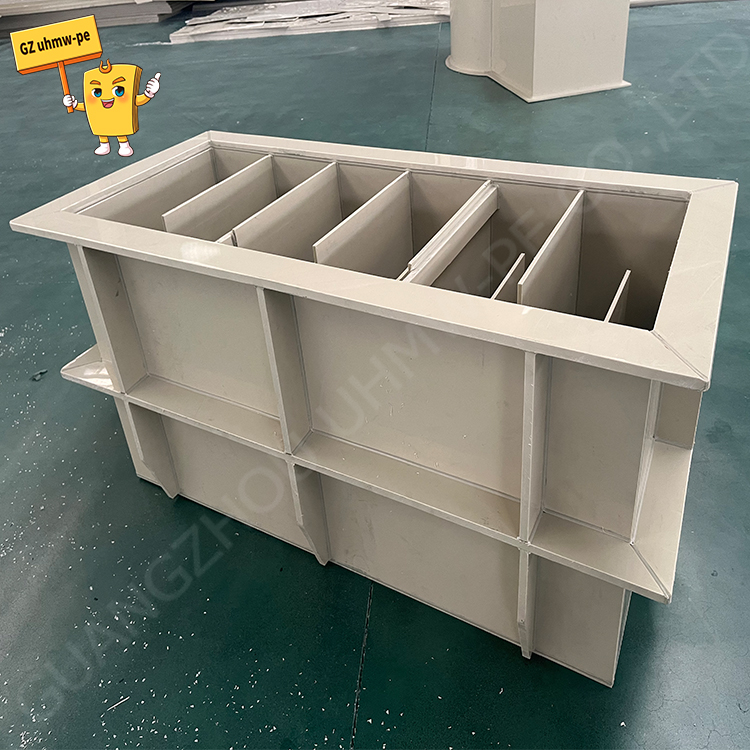
Polypropylene sheets can be manufactured with different surface textures. Smooth surfaces are easy to clean but may be slippery when wet. Embossed or dimpled textures provide better slip resistance, which is crucial for flooring in industrial or public areas. Guangzhou uhmw-pe co.,ltd offers PP sheets with custom surface finishes, including anti-slip patterns. A 10mm anti-slip PP sheet is an excellent choice for ramps, loading docks, or any area prone to spills. The thickness does not significantly affect slip resistance, but the texture does. Therefore, when ordering 10mm sheets, consider specifying a texture based on the intended use.
Environmental Impact and Recyclability
Polypropylene is a recyclable thermoplastic. At the end of its service life, a 10mm PP sheet can be collected, cleaned, and reprocessed into new products. This reduces environmental waste compared to non-recyclable flooring materials. The longevity of 10mm sheets also contributes to sustainability, as fewer replacements are needed. Companies like Guangzhou uhmw-pe co.,ltd are committed to environmental responsibility, following strict quality management systems and offering products that meet international standards. They can provide third-party test reports such as SGS, ROHS, and FDA, ensuring that their PP sheets are safe and environmentally friendly.
Why Choose Guangzhou uhmw-pe co.,ltd?
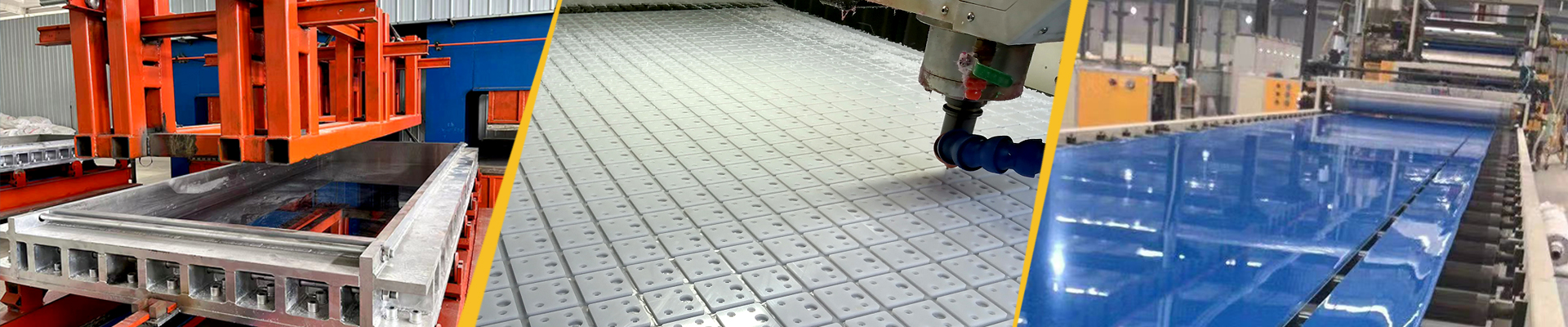
As a leading manufacturer in the field of high-performance engineering plastics, Guangzhou uhmw-pe co.,ltd has extensive experience in producing PP sheets and other polymer products. Strategically located in Guangzhou, adjacent to the Pazhou International Convention and Exhibition Center, the company serves clients in infrastructure construction, heavy equipment, mining, and more. Their core products include UHMWPE, HDPE, PP, Nylon, POM, and PTFE sheets and rods. With advanced CNC machining centers and precision saws, they can fabricate custom parts, including flooring components, guide rails, and wear strips. The company's large-scale production lines enable the manufacture of PP sheets up to 6 meters in length and in thicknesses ranging from thin films to 30mm or more. This flexibility makes them a reliable partner for projects requiring non-standard dimensions.
Guangzhou uhmw-pe co.,ltd operates under the philosophy of “Quality First, Integrity Based, Innovation Driven.” They have a rigorous quality management system and are ISO certified. Their finished products are well-controlled in terms of dimensional accuracy and physical property consistency. For flooring applications, they supply PP sheets with excellent wear resistance, impact strength, and low friction. They also offer material modification services, such as flame retardancy, antistatic properties, and UV stabilization, to meet specific operational demands. Whether you need a single 10mm sheet or bulk orders, their export experience to Southeast Asia, the Middle East, Europe, and the Americas ensures seamless logistics and documentation.
Long-Term Performance and Maintenance
A 10mm polypropylene sheet, when properly installed, can last for decades. The material's resistance to chemicals and moisture prevents common failures like rotting or corrosion. Maintenance is straightforward: regular sweeping and occasional mopping with mild detergent suffice. Unlike carpet or wood, PP does not harbor pests or absorb odors. Scratches and scuffs can be polished out with a rotary buffer, extending the surface's aesthetic life. In high-traffic areas, the sheet may become worn over time, but a 10mm thickness provides enough sacrificial material to accommodate significant wear before replacement is necessary. This long service life reduces the total cost of ownership, making 10mm PP an economical flooring solution.
Potential Disadvantages of 10mm PP Sheets
While 10mm PP sheets offer numerous advantages, they are not without limitations. For applications requiring extreme chemical resistance, PP may not be suitable for all aggressive solvents, such as chlorinated hydrocarbons. In such cases, UHMWPE or PTFE sheets might be better. Additionally, PP has a higher coefficient of thermal expansion than some materials. If not accounted for, large 10mm sheets can buckle or warp in environments with wide temperature fluctuations. The subfloor must be designed to accommodate this movement. Also, 10mm sheets are relatively soft compared to metal flooring, so sharp-pointed loads like heavy machinery legs without broad pads can cause indentation. In such cases, a 12mm or 15mm sheet, or the use of load-spreading plates, may be necessary.
Future Trends in Polypropylene Flooring
The demand for polypropylene sheets in flooring is expected to grow as industries seek lightweight, durable, and sustainable materials. Advances in polymer compounding are leading to PP sheets with higher impact strength and better fire resistance. Guangzhou uhmw-pe co.,ltd is at the forefront of this innovation, continuously improving their formulations. They are expanding their product portfolio to include multi-layer PP sheets with reinforced cores, which offer higher rigidity at a reduced weight. These developments will likely blur the line between thicknesses, as core structures can provide the stiffness of 20mm with the weight of 10mm. However, for standard applications, solid 10mm PP sheets remain a reliable choice.
Conclusion
In summary, 10mm polypropylene sheets provide an excellent balance of strength, durability, cost, and ease of installation for a wide range of flooring applications. They outperform thinner sheets in load-bearing capacity and impact resistance, while being more economical and manageable than thicker alternatives. Industries such as food processing, warehousing, and logistics have successfully used 10mm PP sheets for both permanent and temporary floors. When sourced from a reputable manufacturer like Guangzhou uhmw-pe co.,ltd, these sheets deliver consistent quality and long-term value. For projects with modest loads and flat subfloors, 10mm is often the ideal choice. For heavier loads, thickness should be increased based on engineering analysis. Always consult with material specialists to determine the optimal thickness for your specific flooring needs.